How High-Pressure Washing Breaks Window Seals and Causes Leaks
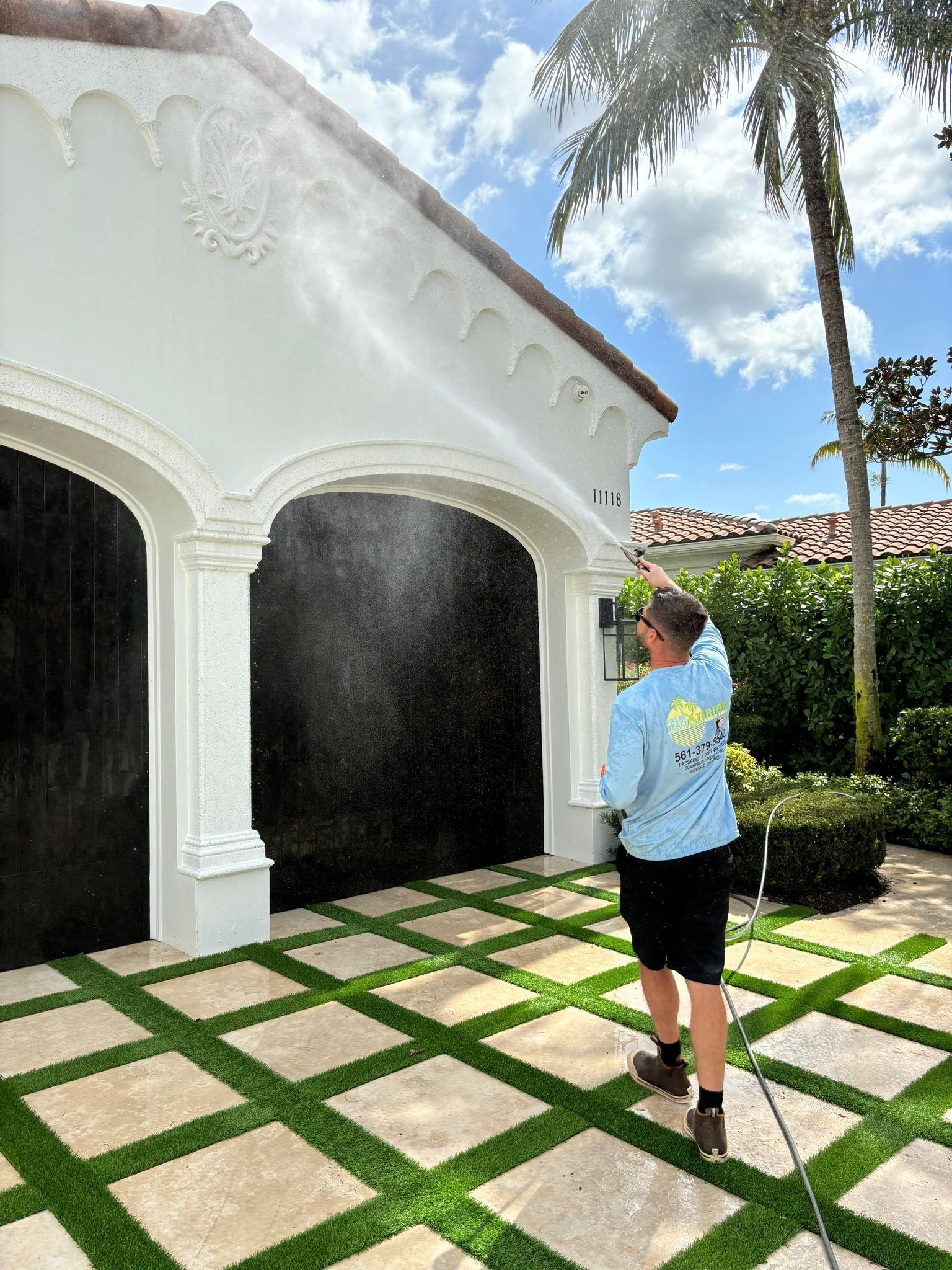
Homeowners often turn to pressure washing to keep their homes clean and well-maintained. While pressure washing can be effective for hard surfaces like concrete, using high-pressure washing around windows can break window seals and cause leaks—often without immediate warning signs.
Understanding how high-pressure washing breaks window seals and causes leaks is essential if you want to protect your home from hidden water damage, mold growth, and expensive window repairs. In this article, we’ll explain how window seals work, why they’re vulnerable to pressure washing, and what safer cleaning alternatives exist.
How Window Seals Work (And Why They Matter)
Window seals play a critical role in protecting your home from water, air infiltration, and energy loss.
What Are Window Seals?
Window seals are flexible barriers—typically made of rubber, silicone, foam, or butyl compounds—installed around the perimeter of windows. Their purpose is to:
- Prevent water intrusion
- Block air leaks and drafts
- Maintain insulation and energy efficiency
- Protect window frames and wall cavities
Modern windows often use double- or triple-pane glass, which rely on airtight seals to keep insulating gases like argon intact.
When these seals fail, the window system becomes vulnerable.
What Is High-Pressure Washing?
High-pressure washing uses water at pressures ranging from 1,500 to over 4,000 PSI to remove dirt, grime, mold, and debris.
While effective on durable surfaces, this level of pressure is far greater than what window seals are designed to withstand.
Common Pressure Washing Mistakes Around Windows
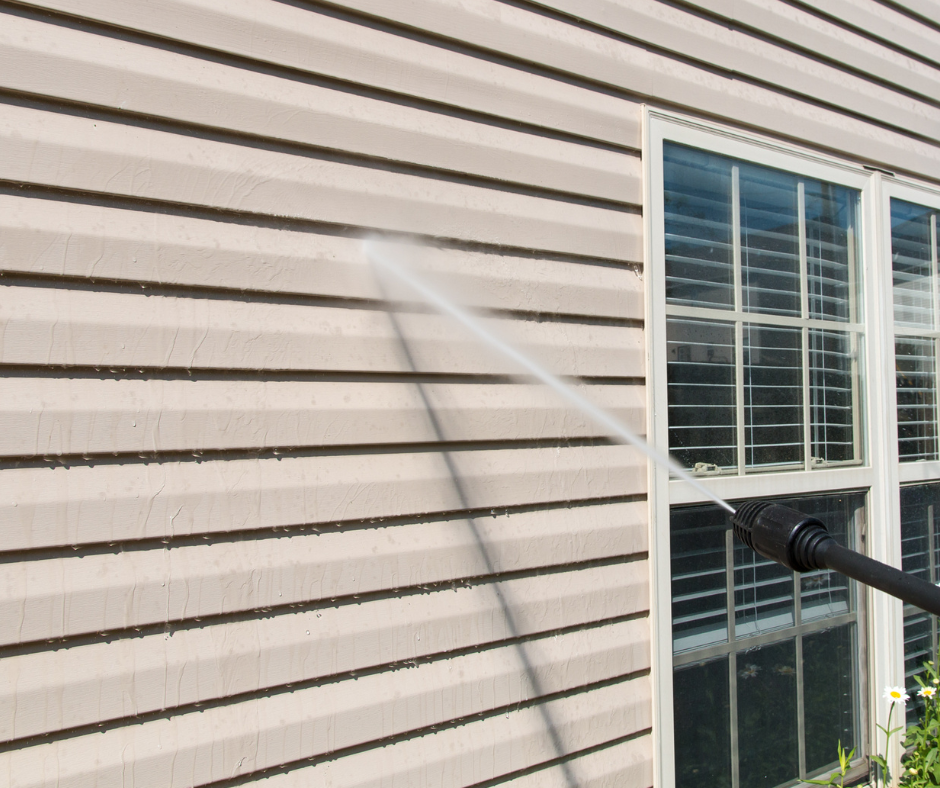
- Spraying directly at window edges
- Using narrow, high-impact spray tips
- Washing too close to window frames
- Cleaning from upward angles
These mistakes significantly increase the risk of seal failure.
How High-Pressure Washing Breaks Window Seals
1. Direct Pressure Forces Water Behind the Seal
Window seals are designed to resist rainfall, not concentrated water jets. When high-pressure water hits the seal directly:
- Water is driven behind the seal
- Adhesives loosen or fail
- Sealant is displaced or torn
Once water penetrates the seal, it often travels into wall cavities—out of sight and undetected.
2. Sealant Materials Degrade Under Pressure
Sealants naturally degrade over time due to UV exposure and temperature changes. High-pressure washing accelerates this process by:
- Stripping protective surface layers
- Creating micro-tears in rubber or silicone
- Forcing debris into seal gaps
According to the U.S. Department of Energy, compromised window seals significantly reduce energy efficiency and moisture protection.
3. Repeated Pressure Washing Causes Progressive Damage
Even if leaks don’t appear immediately, repeated pressure washing causes cumulative damage:
- Each cleaning weakens seals further
- Small gaps grow larger over time
- Seasonal weather exposure worsens the problem
This is why homeowners often experience leaks months after a pressure washing service, not immediately.
How Broken Window Seals Lead to Leaks
Once seals are compromised, water intrusion becomes inevitable.
Common Leak Pathways
- Behind exterior trim
- Into wall insulation
- Downward into sill plates
- Toward interior drywall
The Environmental Protection Agency (EPA) warns that moisture trapped inside walls can promote mold growth within 24–48 hours.
Signs Pressure Washing Has Damaged Your Window Seals
Window seal damage isn’t always obvious at first. Watch for these warning signs:
Exterior Signs
- Cracked or missing caulk
- Loose window trim
- Discoloration around frames
Interior Signs
- Water stains near windows
- Bubbling or peeling paint
- Musty odors
- Fogging between window panes
- Cold drafts near windows
If these appear after pressure washing, seal damage is a likely cause.
Why Window Manufacturers Warn Against Pressure Washing
Many window manufacturers explicitly caution against high-pressure washing.
Reasons include:
- Sealant failure
- Frame warping
- Water intrusion into insulated glass units (IGUs)
In fact, pressure washing can void window warranties if damage is traced back to improper cleaning methods.
The American Architectural Manufacturers Association (AAMA) recommends gentle cleaning methods to protect window integrity.
High-Pressure Washing vs. Soft Washing Around Windows
Key Differences
| Feature | High-Pressure Washing | Soft Washing |
|---|---|---|
| PSI Range | 1,500–4,000+ PSI | Under 300 PSI |
| Cleaning Method | Force-based | Chemical-based |
| Risk to Window Seals | High | Minimal |
| Water Intrusion Risk | High | Low |
| Warranty Safe | Often No | Yes (when done properly) |
Why Soft Washing Is the Safer Alternative
Soft washing uses low-pressure water combined with specialized cleaning solutions to safely remove dirt, algae, and mold.
Benefits of Soft Washing Around Windows
- No direct force on seals
- Kills organic growth at the root
- Reduces regrowth
- Preserves caulking and trim
- Safer for frames, screens, and glass
Soft washing aligns with best practices recommended by window and building material manufacturers.
Real-World Example: Hidden Damage After Pressure Washing
Homeowners often report:
- Pressure washing completed with no immediate issues
- Weeks later: staining around windows
- Months later: interior leaks or mold
- Eventually: costly window replacement or wall repairs
According to HomeAdvisor, repairing water damage caused by leaks can range from $1,200 to over $5,000, depending on severity.
When Pressure Washing Near Windows Might Be Acceptable
There are limited scenarios where pressure washing near windows can be done safely:
- Extremely low PSI settings
- Wide-angle nozzles
- Significant distance from windows
- Downward spray angles only
- Performed by trained professionals
Even then, most professionals prefer soft washing as the default method.
How to Clean Around Windows Safely
Best Practices for Homeowners
- Avoid spraying directly at window edges
- Never use turbo or narrow tips near windows
- Use soft washing or manual cleaning
- Inspect seals annually
- Re-caulk damaged areas promptly
Final Thoughts: Protect Your Windows Before Problems Start
Understanding how high-pressure washing breaks window seals and causes leaks can save homeowners from expensive repairs and long-term damage.
While pressure washing has its place, windows are not one of them. Soft washing provides a safer, longer-lasting solution that protects your home’s structure, efficiency, and warranties.
If you suspect window seal damage or are planning an exterior cleaning, consult a professional who understands proper cleaning methods—not just higher pressure.