Can Pressure Washing Ruin Your Pavers? What Every Homeowner Should Know
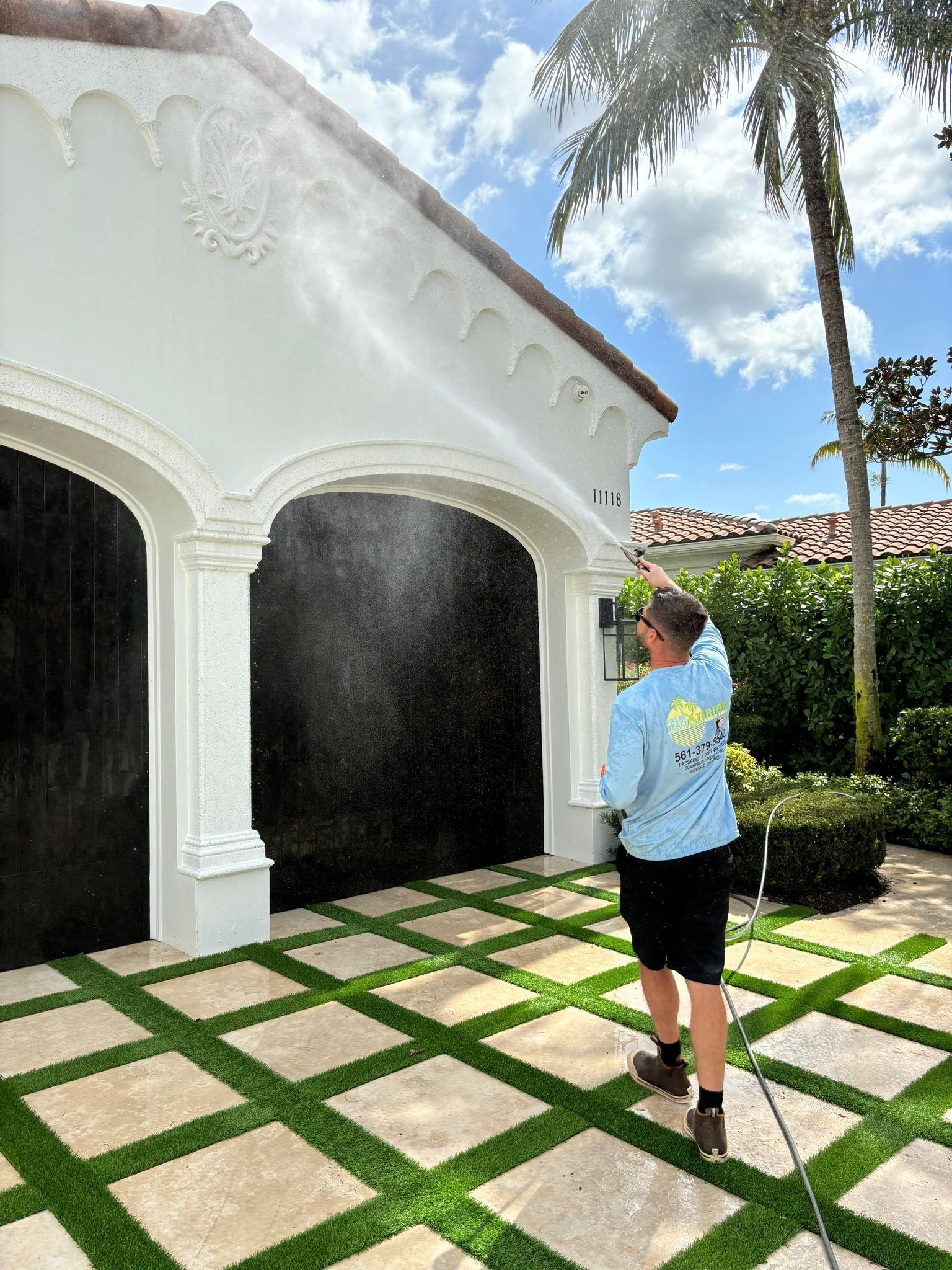
Pressure washing is a popular method for cleaning outdoor surfaces, including pavers. Homeowners often turn to pressure washing to remove dirt, grime, moss, and algae, aiming to restore their driveways, patios, and walkways to their original appearance. But can pressure washing ruin your pavers? In this article, we’ll explore the risks, benefits, and best practices for keeping your pavers safe while achieving a thorough clean.
What Are Pavers and Why They Need Cleaning
Pavers are interlocking bricks, stones, or concrete blocks used in outdoor spaces. They are durable but not invincible. Over time, dirt, algae, mold, and other debris accumulate on their surfaces, creating a slippery and unsightly environment.
Regular cleaning is essential to:
- Maintain curb appeal
- Prevent algae and mold buildup
- Extend the lifespan of your pavers
- Improve safety by reducing slip hazards
Pressure washing is often chosen because it’s quick and effective. However, the method carries risks that every homeowner should understand.
How Pressure Washing Works
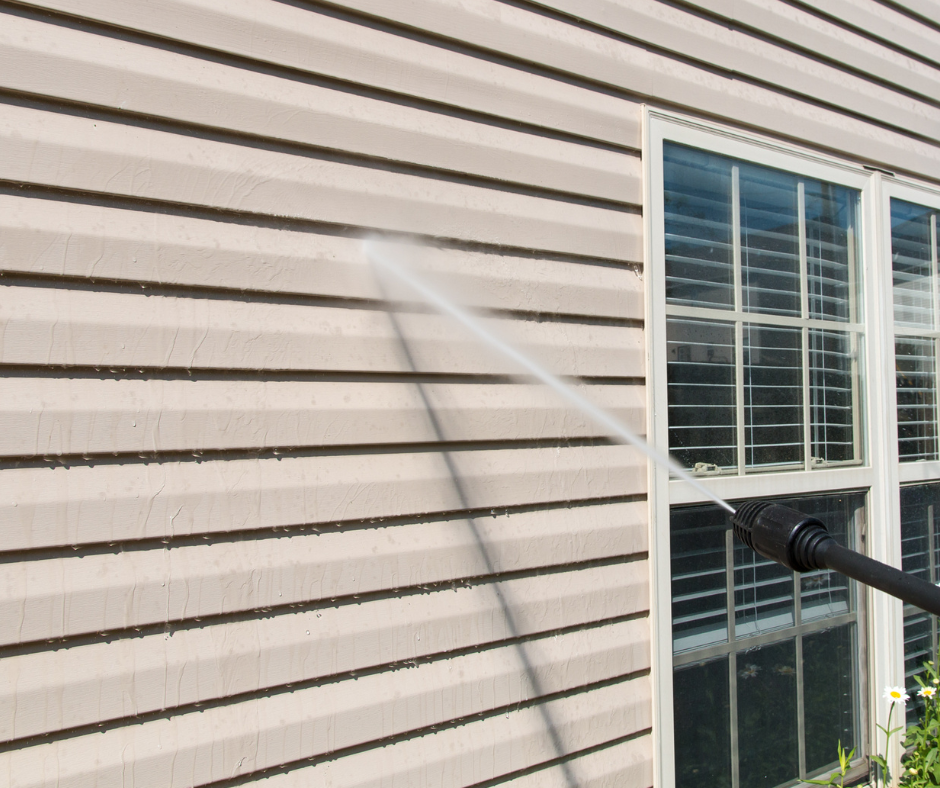
Pressure washers use a high-pressure water stream to remove dirt and debris. Commercial units can deliver pressures ranging from 1,300 to 4,000 PSI, depending on the model. While effective for cleaning, high-pressure water can cause unintended damage if not used correctly.
Key factors affecting pressure washer safety for pavers:
- Pressure setting (PSI)
- Nozzle type
- Distance from the surface
- Water flow rate (GPM)
Can Pressure Washing Damage Pavers?
Yes, pressure washing can damage pavers under certain conditions. Understanding how damage occurs will help you prevent costly repairs.
Common Types of Damage
- Chipping and Cracking
- High-pressure water can chip the edges or surface of concrete and natural stone pavers.
- Older pavers with pre-existing weaknesses are especially vulnerable.
- Joint Sand Loss
- Pressure washing can wash away the sand between pavers, reducing stability and allowing shifting.
- Re-sanding is often necessary after cleaning.
- Surface Erosion
- Excessive pressure can erode the top layer of pavers, leaving a rough or uneven texture.
- Erosion is more common in softer paver materials like limestone or sandstone.
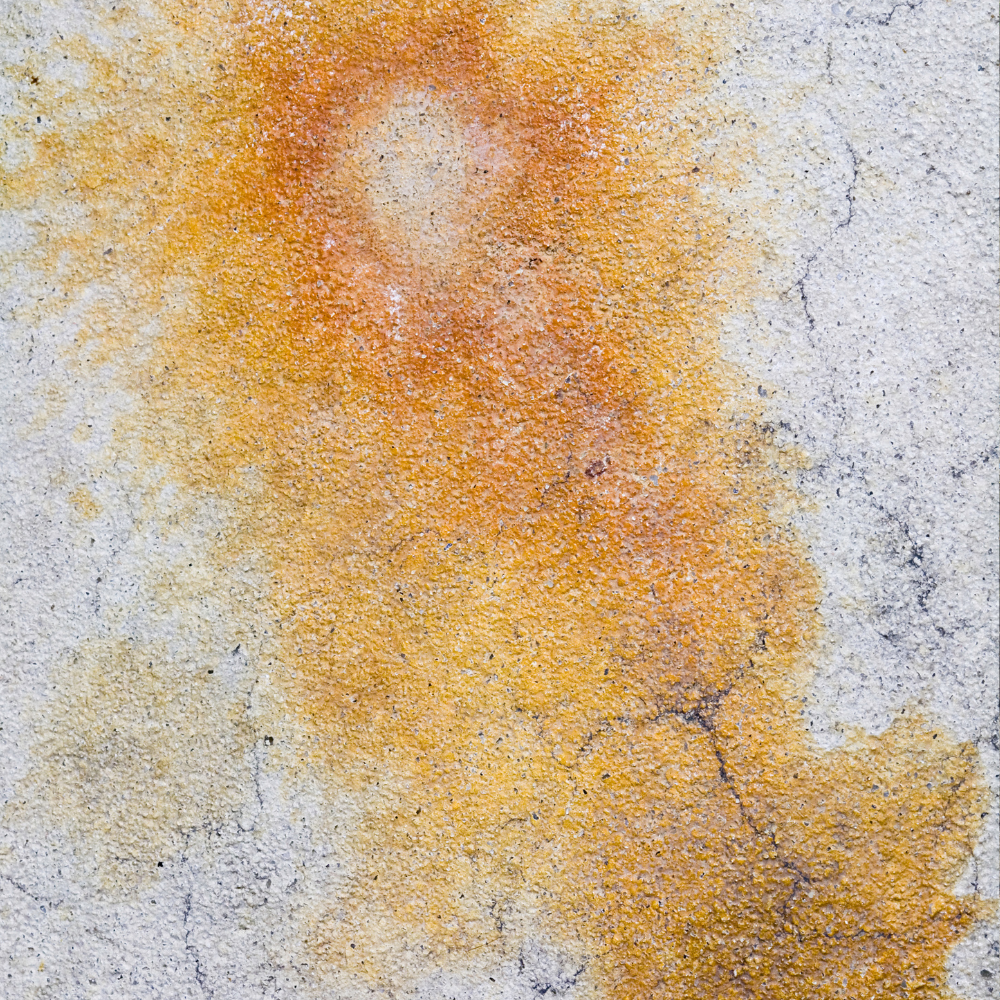
- Discoloration
- Inconsistent cleaning pressure or angle can cause patchy results or even remove protective coatings.
Best Practices to Protect Pavers While Pressure Washing
By following these expert guidelines, you can clean your pavers effectively without causing damage.
1. Choose the Right Pressure
- For concrete pavers: 1,200–2,000 PSI is sufficient
- For natural stone pavers: 500–1,500 PSI
- Start with the lowest pressure setting and increase gradually if needed
2. Use the Correct Nozzle
- Wide-angle nozzles (25–40 degrees) reduce the risk of concentrated damage
- Avoid zero-degree or narrow nozzles directly on pavers
3. Maintain a Safe Distance
- Keep the nozzle at least 12–18 inches away from the surface
- Move in sweeping motions to avoid concentrating pressure in one spot
4. Protect Joint Sand
- Apply a joint stabilizer or polymeric sand after cleaning to maintain paver integrity
- Avoid directing the spray along the joints
5. Consider Alternative Methods
- Soft washing: Uses low pressure and cleaning solutions to remove mold, algae, and dirt
- Manual scrubbing: Effective for small areas or delicate pavers
Signs Your Pavers May Have Been Damaged
Even with care, damage can occur. Look for these warning signs:
- Cracks or chips in the paver surface
- Shifting or uneven pavers
- Loss of joint sand leading to gaps
- Discoloration or streaks
If damage is detected, repairing or replacing affected pavers promptly will prevent further problems.
When to Hire a Professional
Pressure washing may seem simple, but professional services can reduce the risk of damage:
- Professionals know the right pressure and nozzle combinations
- They have experience handling various paver materials
- They can apply protective sealers after cleaning
Hiring an expert is particularly important for older pavers, high-value natural stone, or large areas.
Conclusion
Pressure washing can be an effective way to clean pavers, but improper use can lead to chipping, erosion, joint sand loss, and discoloration. By understanding the risks, selecting the correct pressure, maintaining proper distance, and considering alternative methods, homeowners can preserve their pavers while keeping them clean and attractive.
For delicate or valuable pavers, professional services may provide the safest and most effective results. Regular maintenance, including cleaning and sealing, will extend the lifespan of your pavers and keep your outdoor spaces looking their best.