Can Pressure Washing Remove Rust? What Homeowners Need to Know
Rust stains on driveways, patios, outdoor furniture, or tools are a common headache for homeowners. Many turn to pressure washing as a solution, hoping the high-pressure water stream can erase rust effectively. But can pressure washing remove rust completely, and is it safe for all surfaces? In this comprehensive guide, we explore how pressure washing interacts with rust, its limitations, and safer alternatives to protect your property.
Understanding Rust and Its Impact on Surfaces
Rust is a chemical reaction between iron, oxygen, and moisture, forming iron oxide. While it’s most commonly associated with metal surfaces, rust stains can transfer to concrete, stone, brick, and other porous materials.
Common Sources of Rust Around the Home
- Outdoor furniture, grills, and garden tools
- Metal pipes and fences
- Cars and bicycles left outdoors
- Concrete driveways and patios
Rust not only affects aesthetics but can weaken materials over time, especially metals, if not treated properly.
How Pressure Washing Works
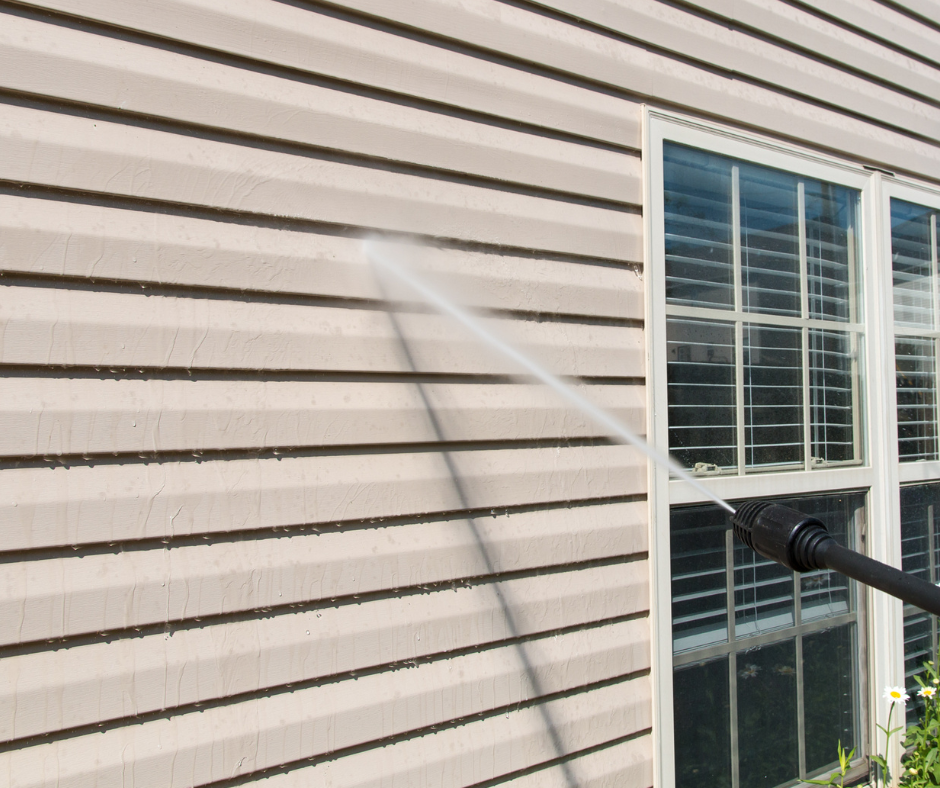
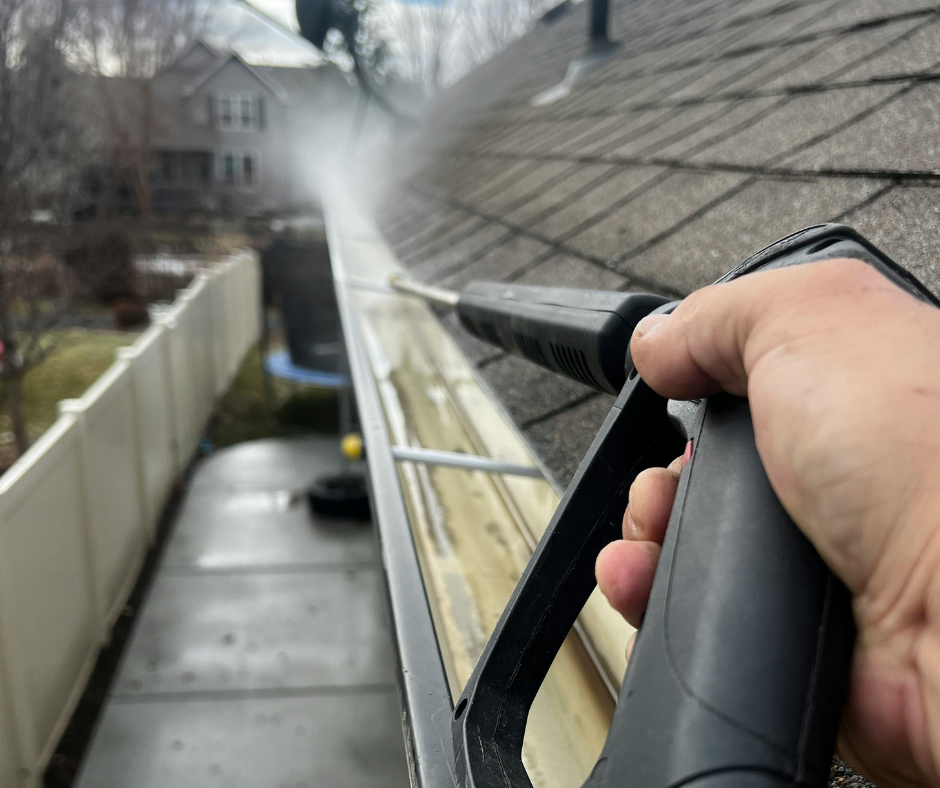
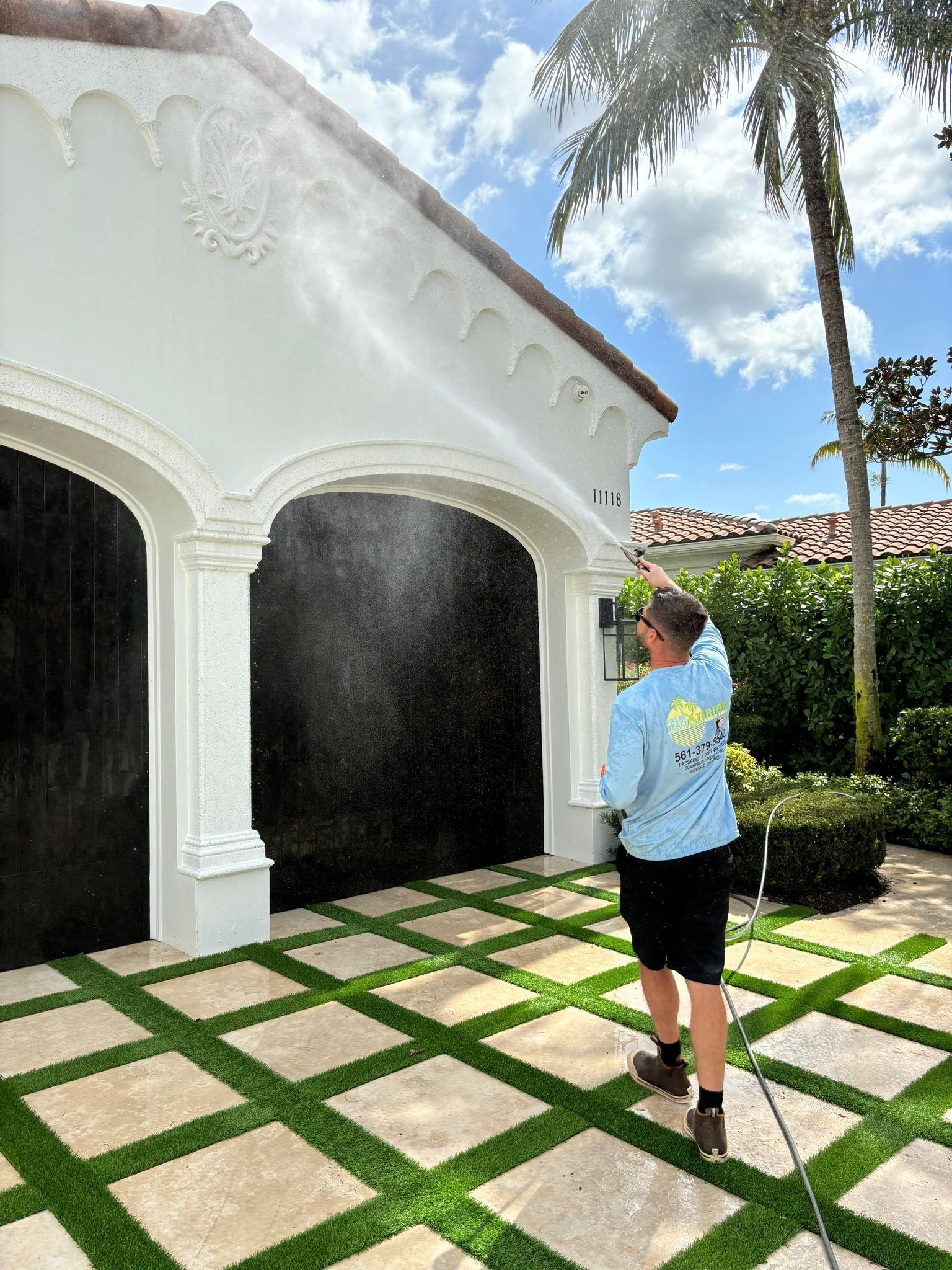
Pressure washers deliver high-pressure water to remove dirt, grime, algae, and other surface contaminants. Residential units typically range from 1,300 to 2,800 PSI, while commercial units can exceed 4,000 PSI.
Key factors that affect pressure washing effectiveness:
- Pressure (PSI): Higher PSI removes tougher stains but can damage surfaces.
- Flow rate (GPM): Determines how much water is delivered.
- Nozzle type: Different angles concentrate or disperse the water.
- Distance: Closer distances increase the impact force.
Can Pressure Washing Remove Rust?
Pressure washing can remove surface rust stains in some cases, especially on concrete or stone. However, it has limitations:
Effective Scenarios
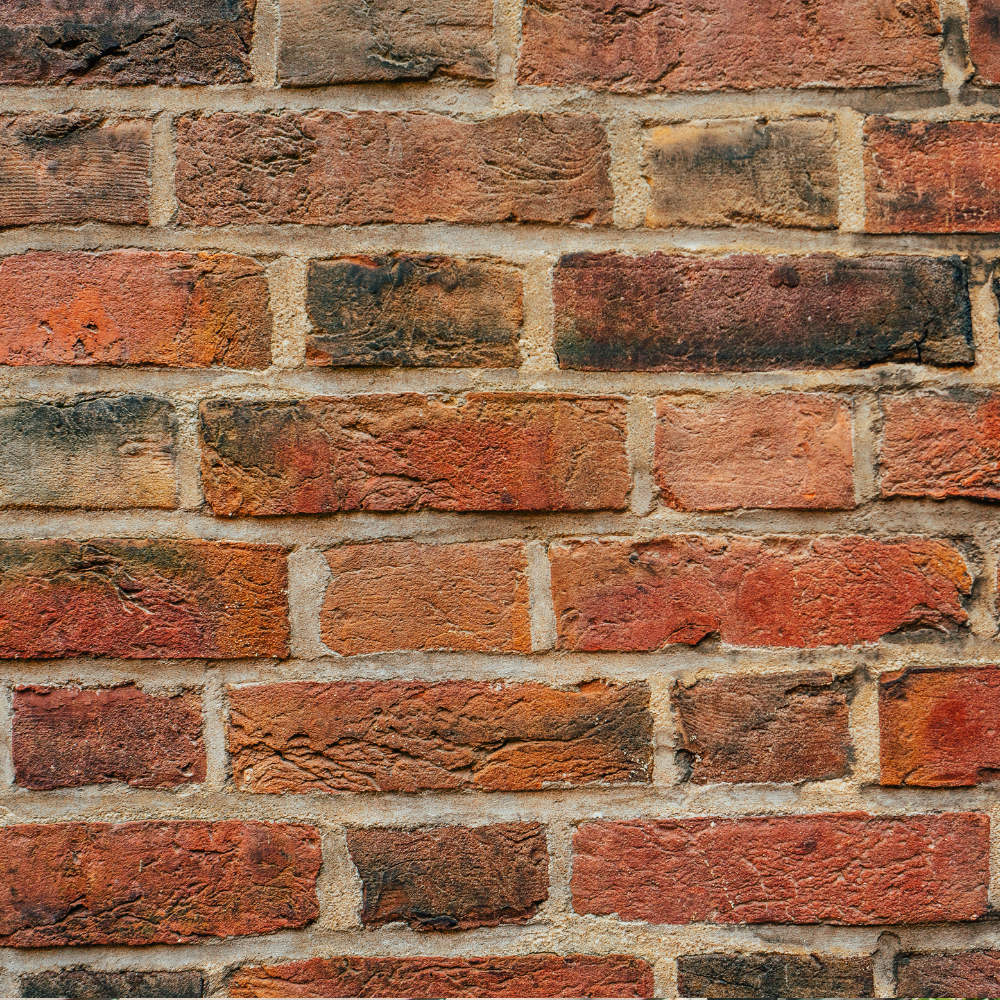
- Surface rust stains on concrete or brick: Shallow, recent rust stains can often be lifted with pressure washing.
- Light rust on metal tools or equipment: If the rust hasn’t penetrated deeply, high-pressure water may remove some oxidation.
Limitations
- Deeply embedded rust: Pressure washing cannot reverse chemical corrosion inside metal or concrete.
- Porous materials: Rust can penetrate pores in concrete, stone, or brick, making it resistant to water alone.
- Potential damage: High-pressure washing can erode surfaces, remove protective coatings, or cause pitting on soft metals.
Safer and More Effective Rust Removal Methods
While pressure washing can help with surface cleaning, combining it with other methods increases success and protects your surfaces.
1. Rust Removal Products
- Chemical rust removers: Products like oxalic acid or commercial rust removers dissolve rust.
- Rust converters: Convert rust into a stable compound, preventing further corrosion.
- Always follow manufacturer instructions and wear protective gear.
2. Manual Methods
- Scrubbing with a wire brush or scouring pad: Useful for small metal items or localized rust.
- Sanding or grinding: For stubborn rust on metal tools, fences, or outdoor furniture.
3. Preventive Measures
- Apply sealants or protective coatings to concrete and metal surfaces.
- Store metal objects indoors or cover them to reduce moisture exposure.
- Regularly clean surfaces to prevent rust from forming.
Step-by-Step Guide: Using Pressure Washing for Rust Stains on Concrete
- Inspect the area: Identify the extent of rust penetration.
- Choose appropriate pressure: Start with a low PSI (1,200–1,500) to prevent surface damage.
- Select a wide-angle nozzle: 25–40 degrees spreads pressure evenly.
- Maintain distance: Keep nozzle 12–18 inches away from the surface.
- Combine with rust remover: For stubborn stains, pre-treat with a chemical rust remover before pressure washing.
- Rinse thoroughly: Remove all residues to prevent chemical reactions or staining.
When to Hire a Professional
Professional pressure washing services are recommended for:
- Large areas of rust-stained concrete
- Delicate metal surfaces prone to damage
- Deep or severe rust that may require specialized treatments
Professionals have the right equipment, expertise, and cleaning solutions to effectively remove rust without causing additional damage.
Conclusion
Pressure washing can remove light, surface-level rust stains, particularly on concrete and stone, but it has clear limitations. Deeply embedded rust, rust on porous materials, or corrosion on metals often requires additional chemical or mechanical treatment. For homeowners, the safest approach is to combine pressure washing with rust removal products, follow proper techniques, and consider professional help for stubborn or extensive rust problems.
By taking a cautious, informed approach, you can keep your outdoor spaces clean, rust-free, and well-maintained without causing accidental damage.