Best Time for Pressure Washing in Palm Beach, FL: Spring vs. Fall
If you live in Palm Beach, Florida, your home faces very different conditions than most of the country. There’s no snow — but there is:
- Year-round humidity
- Salt air corrosion
- Algae and mildew growth
- Heavy rain
- Hurricane season debris
So what’s the best time for pressure washing in Palm Beach, FL?
Spring is still one of the most popular times for pressure washing — but in South Florida, fall can be just as important (if not more).
Let’s break it down specifically for Palm Beach’s coastal climate.
Why Spring Is a Popular Time for Pressure Washing in Palm Beach
Even without harsh winters, spring still makes sense for many homeowners here.
1. Dry Season Buildup
Palm Beach’s dry season runs roughly November through April.
During this period:
- Dust accumulates
- Pollen settles
- Salt air leaves residue
- Irrigation overspray stains surfaces
By late spring, many homes show visible buildup on:
- Stucco
- Tile roofs
- Driveways
- Pool decks
- Screen enclosures
According to the Environmental Protection Agency, organic growth and airborne pollutants can deteriorate exterior materials over time — especially in humid climates.
Spring pressure washing removes that accumulation before the heavy summer rains arrive.
2. Preparing for Hurricane Season
Hurricane season officially begins June 1 in Florida.
Cleaning your home in spring:
- Removes debris that traps moisture
- Reduces organic buildup
- Improves surface integrity
- Makes inspections easier
A clean exterior allows you to spot cracks, damaged stucco, or loose paint before storm season intensifies.
3. Boosting Curb Appeal Before Summer
Spring is peak tourism and event season in Palm Beach.
Many homeowners pressure wash in spring because they’re:
- Hosting events
- Preparing vacation rentals
- Improving resale presentation
- Updating landscaping
When Fall Is Actually Better in Palm Beach
Here’s where Florida differs from most states.
Fall pressure washing can be just as — or even more — important.
1. Post-Hurricane Cleanup
By September and October, homes may have experienced:
- Wind-driven rain
- Salt spray
- Storm debris
- Organic staining
- Mold growth
Even if your home avoided direct storm damage, moisture levels spike during summer.
Fall pressure washing removes:
- Mildew growth
- Algae bloom
- Black streaking
- Salt deposits
This resets your home after the wettest months of the year.
2. Peak Humidity = Peak Algae Growth
Palm Beach’s summer humidity fuels rapid algae and mildew growth — especially on:
- North-facing stucco
- Tile roofs
- Pool decks
- Shaded walls
The International Association of Certified Home Inspectors emphasizes preventative exterior maintenance in humid coastal climates to reduce long-term material damage.
By early fall, organic growth is often at its worst.
Cleaning then prevents it from spreading into the cooler months.
3. Salt Air Corrosion Control
Coastal homes in Palm Beach constantly battle salt air.
Salt buildup can:
- Corrode metal fixtures
- Deteriorate paint
- Stain stucco
- Accelerate surface wear
Biannual washing (spring and fall) is often recommended for homes close to the ocean.
Salt isn’t seasonal — but removing buildup twice a year significantly extends surface life.
| Factor | Spring | Fall |
|---|---|---|
| Removes Winter Salt | Yes | No |
| Removes Summer Algae | Limited | Yes |
| Prepares for Winter | Moderate | Strong |
| Real Estate Curb Appeal | High | Moderate |
| Scheduling Availability | Busy | Easier |
For most Palm Beach homeowners:
- Spring = Prep & Presentation
- Fall = Reset & Protection
How Often Should You Pressure Wash in Palm Beach, FL?
Unlike colder climates, Florida homes often need more frequent cleaning.
Most Palm Beach properties benefit from:
- Once per year minimum
- Twice per year for coastal exposure
- Quarterly cleaning for high-end estates or vacation rentals
Humidity never truly disappears here. Organic growth is year-round.
Waiting too long can lead to permanent staining on stucco and pavers.
What Local Professionals Typically Recommend
In Palm Beach, many exterior cleaning professionals suggest:
- April–May (end of dry season, before heavy rains)
- September–November (after peak hurricane season)
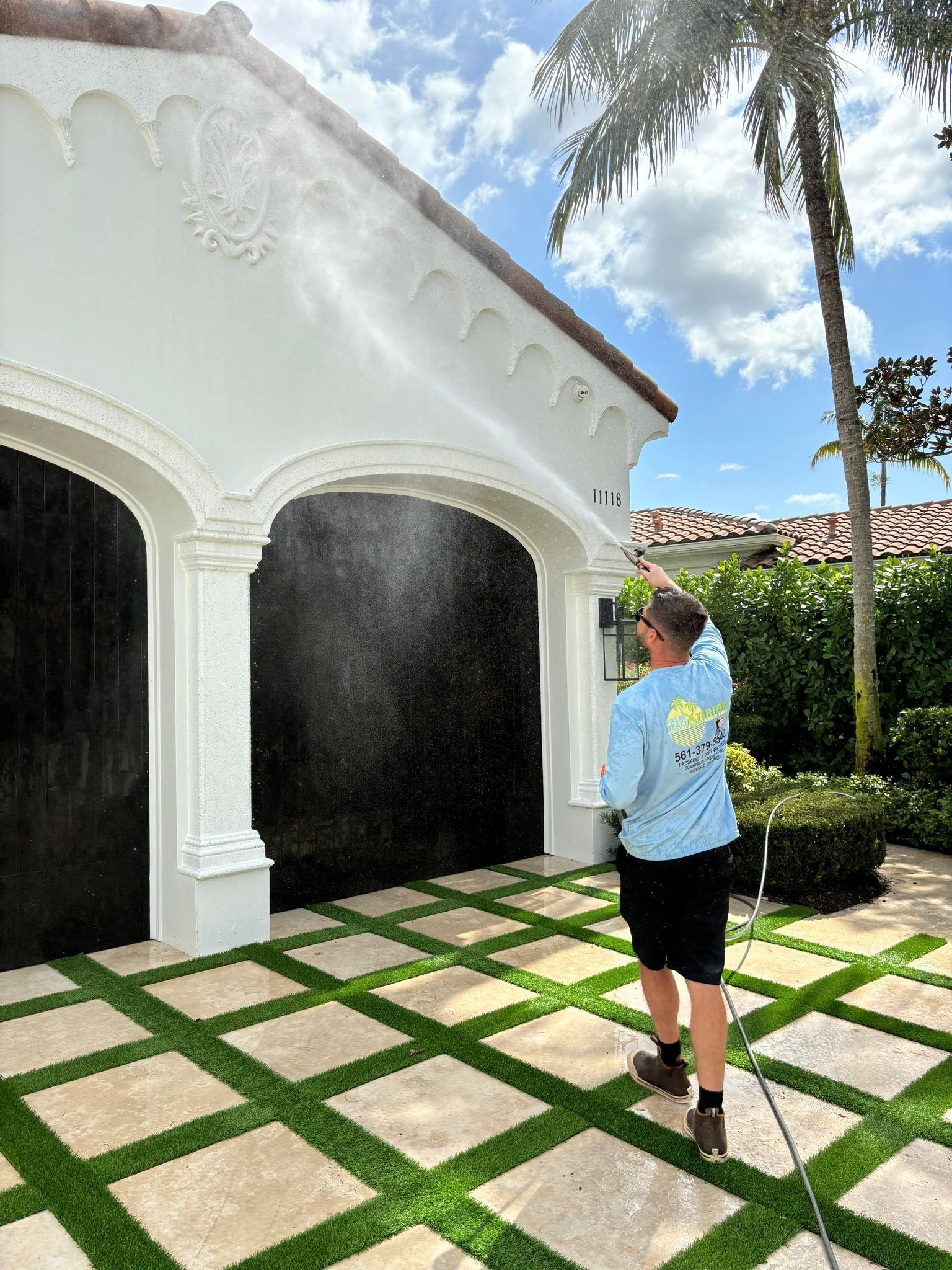
Soft washing is strongly recommended for:
- Stucco homes
- Tile roofs
- Painted surfaces
- Screen enclosures
High-pressure washing can damage Florida’s common exterior materials.
If you’re unsure, a professional evaluation should consider:
- Proximity to the ocean
- Shade levels
- Irrigation overspray
- Storm exposure
- Type of siding
(You can also review our guide on How Much Does Pressure Washing Cost? A Complete Homeowner’s Guide
to ensure you hire properly insured professionals familiar with coastal cleaning.)
Signs You Shouldn’t Wait for a Season
In Florida, condition matters more than calendar.
Schedule cleaning if you notice:
- Green or black streaking
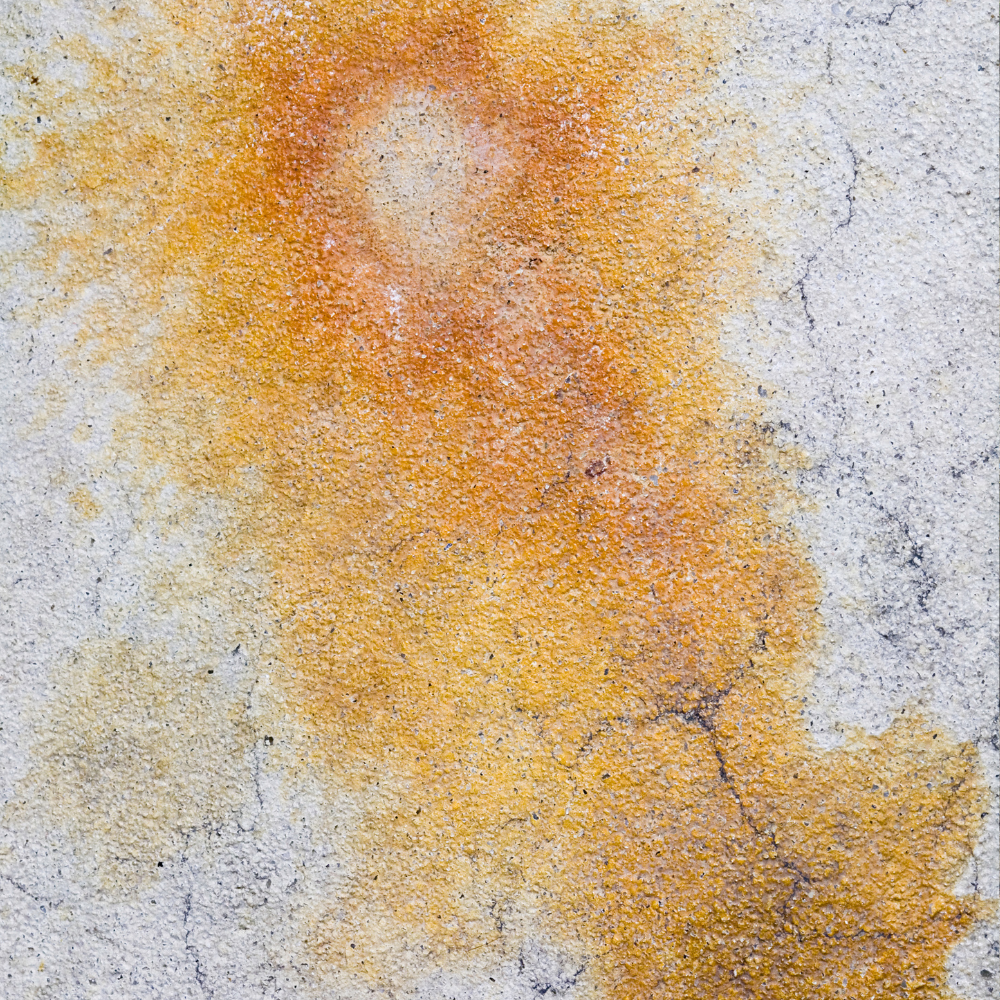
- Pink or orange algae on stucco
- Slippery pool deck surfaces
- Heavy salt buildup
- Mold spots spreading
Organic growth spreads fast in Palm Beach’s climate.
Delaying cleaning can shorten the lifespan of stucco, paint, and pavers.
Final Answer: What’s the Best Time for Pressure Washing in Palm Beach, FL?
In Palm Beach:
Spring is popular for preparing your home before hurricane season and summer humidity.
However:
Fall may be even more important for removing algae, mildew, and storm residue after the wettest months of the year.
If you clean once per year → Late spring is ideal.
If you live near the ocean → Twice per year is strongly recommended.
If algae spreads quickly on your property → Fall may offer better protection.
In Palm Beach, pressure washing isn’t just cosmetic — it’s preventative maintenance.
Consistency is key.
Regular cleaning protects against salt corrosion, mold growth, and humidity damage — helping your coastal home maintain its value and beauty year-round.